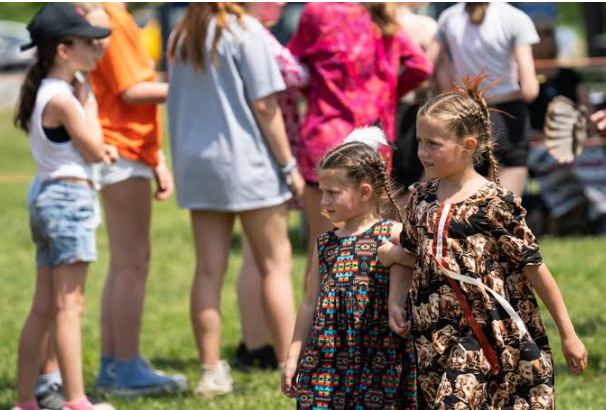
Some lessons stay with a family because they are heard, felt, and shared. They invite questions around the dinner table and encourage children and adults to notice the land, language, and stories around them. Indigenous cultural experiences for families create this kind of thoughtful learning through participation, reflection, and conversation rather than a distant lecture. Each gathering offers a welcoming setting where different generations can listen together and carry new understanding into daily life.
The journey becomes even richer when everyone arrives with curiosity.
Begin With Words That Centre Gratitude
A meaningful workshop can begin by helping participants slow down and listen. The Ohén: ton Karihwatéhkwen, often called the Thanksgiving Address, is shared in the Mohawk language before an interactive translation explains its purpose. Families hear how gratitude, responsibility, and relationships with the natural world are woven into the words.
This opening creates a calm point of connection. A child may notice the language, while an adult reflects on the ideas expressed. That shared moment gives families something sincere to discuss afterward.
Discover Knowledge Through Stories, Songs, and Movement
Stories make ideas easier to remember because they connect learning with emotion and imagination. Traditional storytelling introduces Haudenosaunee perspectives on community, nature, and ways of knowing. Songs, social dances, and demonstrations add movement and rhythm, allowing participants to engage beyond spoken explanation.
You may observe closely, join an activity, ask a respectful question, or consider how a teaching relates to your choices. This gentle variety keeps younger participants engaged while giving adults room for reflection. No prior knowledge is needed; curiosity and respectful attention provide a valuable starting point.
Choose a Gathering Shaped Around Your Group
Families do not all learn in the same way. Some include young children who benefit from short, active moments. Others bring teenagers, grandparents, friends, or club members with specific interests. Indigenous private cultural experiences can be adapted to participants’ ages, settings, interests, and learning goals, creating a comfortable pace for everyone involved.
Private programs suit families, tourist groups, resorts, museums, festivals, clubs, and cottage communities. Flexible scheduling helps a gathering fit a holiday, educational outing, or community event. Clear learning outcomes guide the facilitator in selecting suitable stories, demonstrations, and discussion prompts.
Follow the Seasons Into Hands-On Learning
Seasonal activities offer an inviting way to connect cultural teachings with the living environment. A maple syrup workshop, for example, explores traditional Haudenosaunee methods alongside stories, songs, and teachings. Participants encounter ideas related to sustainability, stewardship, gratitude, and tradition while spending time outdoors.
This experience can inspire family conversations. What does it mean to care for land that provides food? How can gratitude influence daily habits? Why do seasonal practices matter to cultural continuity? Such questions extend one afternoon into an ongoing learning path.
Make Space for Respectful Questions
Thoughtful cultural learning requires more than collecting facts. It asks participants to listen without rushing, recognize that traditions remain living and relevant, and approach unfamiliar ideas with care. Indigenous cultural experiences for families support this process by encouraging observation, active participation, and open discussion in an appropriate setting.
Parents can explain that listening is part of participation. Encourage children to notice surprises, remember a word or story, and save questions for a suitable moment. Afterward, invite each person to share an idea that deepened their understanding. These simple steps help learning settle naturally.
Carry the Conversation Home
The value of a cultural workshop often appears later. A song may return during a walk. A teaching about gratitude may enter a family meal. A conversation about stewardship may influence how participants treat water, plants, animals, or shared spaces.
When families learn together, adults need not have every answer. They can model curiosity, careful listening, and continued learning. That approach lets children ask sincere questions while showing that cultural respect develops through steady attention.
Plan a Shared Experience With Lasting Meaning
Memorable family outings create room for connection, reflection, and a fuller understanding of the traditions that shape Canada. Through Indigenous cultural experiences for families, participants can encounter Mohawk language, Haudenosaunee teachings, storytelling, dance, song, and seasonal knowledge in an interactive, considerate way.
Take the Next Step
Gather your group, choose a learning goal, and book a free consultation about tailored workshops. Begin a meaningful cultural journey with A Journey Begins.
Frequently Asked Questions
What might participants do during a workshop?
Participants may hear traditional stories, learn through songs and dances, discuss cultural teachings, observe demonstrations, or join seasonal activities.
Can a session be planned for a private group?
Yes. Private groups can discuss their needs, preferred timing, and learning goals during a free consultation.