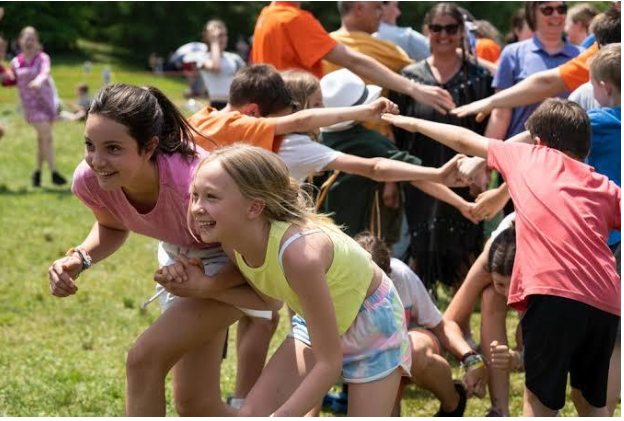
Preschoolers are still learning how to recognize feelings, understand reactions, and respond thoughtfully to others. We offer interactive cultural learning experiences that use storytelling, language, songs, movement, observation, and participation to make ideas easier for young learners to engage with. Through Mohawk storytelling workshops, children can listen, respond, and reflect on themes such as gratitude, respect, relationships, community, and care for the natural world.
Why Can Storytelling Support Emotional Awareness?
Young children often understand ideas more clearly when they are connected to a story, action, sound, or shared experience. Storytelling gives us a practical way to discuss how people respond to situations and why kindness, patience, and respect matter.
Through Mohawk storytelling workshops, children can experience traditional storytelling alongside Mohawk language, songs, social dances, cultural teachings, observation, and participation. These activities give preschoolers several ways to listen, notice, and respond while learning about relationships, gratitude, and community.
Recognizing Feelings Through Stories
Preschoolers may know words such as happy, sad, excited, or upset, but they are still learning how feelings connect with situations and behaviour. A story gives children something concrete to think about.
After listening, we can ask simple questions such as, “What did you notice?” “How do you think that person felt?” or “What showed respect?” These questions help children pay attention to actions and reactions without changing the cultural teaching into an emotional lesson.
Children can also notice when someone listens carefully, helps another person, expresses gratitude, or responds respectfully.
Listening and Observation Build Awareness
Emotional awareness begins with noticing. Preschoolers learn from facial expressions, tone of voice, body language, and the behaviour of people around them.
The workshop experiences include traditional storytelling, interactive discussion, songs, dances, demonstrations, and active participation. This variety can help young children stay involved because they are not expected to learn through spoken explanation alone.
We can encourage children to notice how people participate together, show appreciation, or listen respectfully.
Songs and Movement Encourage Expression
Young children do not always communicate through words alone. Movement, rhythm, gestures, facial expressions, and tone can also show how they are responding.
When storytelling is supported by songs, social dances, and participation, children have several ways to join in. Some may respond verbally, while others may learn by watching, moving, repeating language, or following a group activity.
We can use these moments to reinforce taking turns, listening, cooperating, and respecting shared space.
Cultural Teachings Add Meaningful Context
The workshops include teachings connected with gratitude, relationships, community, stewardship, and the natural world. Experiences begin with Ohén Karihwatéhkwen, often referred to as the Thanksgiving Address, shared in the Mohawk language and followed by interactive learning about its meaning.
For preschoolers, these ideas can lead to simple conversations. We might ask what they are thankful for, who helps them, how they can care for a shared space, or what respectful listening looks like.
These questions keep the discussion connected to the cultural themes while making them easier for young children to understand.
Why Does Active Participation Matter?
Preschoolers often learn best when they can take part. A workshop that combines storytelling with movement, songs, observation, discussion, and cultural demonstrations gives children different ways to engage.
Afterward, we can continue the learning with simple activities such as drawing something they remember, talking about an interesting moment, or sharing something they feel thankful for.
Continuing the Learning Beyond the Workshop
Teachers and caregivers can revisit one idea at a time and connect it with familiar preschool routines. You might ask children what they remember from a story, what made them curious, or how people showed respect and gratitude.
We can also connect these ideas with taking turns, helping a friend, listening while another person speaks, caring for classroom materials, or showing appreciation.
Christopher Stock brings a Primary/Junior teaching background and previous experience working with JK and SK learners, adding relevant experience with younger children.
Conclusion
Storytelling can create meaningful opportunities for preschoolers to notice relationships, actions, feelings, gratitude, and respectful behaviour. When cultural stories are supported by language, songs, movement, observation, and participation, young children have several ways to engage.
A Journey Begins offers interactive Indigenous cultural experiences led by Elder and educator Christopher Stock. Through Mohawk storytelling workshops, we can introduce young learners to Indigenous knowledge, language, gratitude, community, relationships, and respectful ways of learning while creating natural opportunities for thoughtful reflection.
Contact us to discuss a storytelling workshop bringing meaningful cultural learning, reflection, participation, and engaging experiences to your preschool group.
FAQs
What can children experience during Mohawk storytelling workshops?
Children may experience traditional storytelling, Mohawk language, cultural teachings, songs, social dances, demonstrations, observation, discussion, and active participation.
How can educators build on the workshop afterward?
Educators can continue the learning through drawing, gratitude activities, group discussions, storytelling recall, and conversations about listening, respect, relationships, and caring for others.