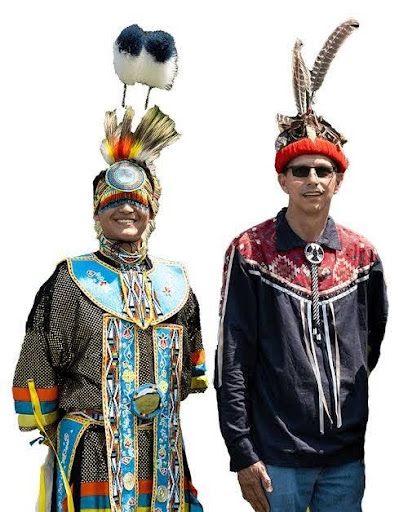
Understanding another culture begins with listening rather than making assumptions. When you listen to different perspectives, you can build conversations grounded in respect. Indigenous awareness in Canada helps people learn about the histories, living traditions, and experiences of Indigenous communities. It also encourages us to recognize that Indigenous peoples are not one uniform group. First Nations, Inuit, and Métis communities have distinct identities, languages, and cultural practices that deserve thoughtful attention.
How Indigenous Awareness in Canada Builds Mutual Respect
Cultural misunderstanding often grows when people rely on incomplete information. Learning about Indigenous communities helps replace generalizations with a more accurate understanding of their identities and contributions.
Respectful learning means asking appropriate questions, listening without interrupting, and recognizing that some teachings are not meant to be shared publicly. Rather than treating culture as something from the distant past, participants begin to understand that traditions, languages, and community responsibilities continue to shape daily life. This approach creates space for more meaningful conversations.
Learning Directly from Indigenous Voices
Books offer useful background, but hearing from Indigenous educators and knowledge keepers adds personal context. Their stories can explain why certain practices matter and how teachings connect with family, land, and community.
Indigenous awareness in Canada becomes more meaningful when participants hear these perspectives directly and have opportunities to reflect on them. An educator may discuss the Haudenosaunee worldview, for example, including responsibilities to others and the natural world. Listening with curiosity helps participants understand the difference between learning about a community and learning from someone within it. It also reminds us that no single speaker represents every Indigenous nation.
Exploring Traditions Through Active Participation
Hands-on activities can make cultural education easier to understand and remember. Storytelling, language, songs, and traditional crafts create opportunities to connect ideas with lived practices. Participants can learn not only what an activity involves but also why it has cultural significance.
For example, a workshop about traditional Haudenosaunee maple syrup making may introduce teachings about gratitude, stewardship, and seasonal relationships with the land. Learning about traditional water drums can connect craftsmanship with music and shared stories. Such experiences can support First Nations cultural awareness when they are guided by knowledgeable Indigenous educators. The purpose is respectful learning, not copying sacred practices or treating traditions as entertainment.
Why Cultural Education Supports Reconciliation
Reconciliation requires more than knowing a few historical facts. It involves understanding the effects of colonization, acknowledging the experiences of Indigenous peoples, and considering how individuals and institutions can act more responsibly.
Cultural education offers a place to begin. Listening to Indigenous perspectives can help participants question common misconceptions and understand why respectful relationships matter. It can also encourage further learning about treaties, residential schools, and the continuing work of Indigenous communities.
A workshop cannot complete reconciliation on its own. However, it can inspire participants to examine their attitudes, seek reliable information, and make changes in how they communicate and work with others.
Building Inclusive Schools and Workplaces
Schools and workplaces influence how people understand one another. When cultural learning is thoughtfully included, students and employees gain the language to discuss difficult subjects respectfully. They also learn why Indigenous perspectives should not be limited to a single commemorative day.
Teachers might connect cultural teachings with lessons about the environment, history, or community responsibility. Employers can use workshops to improve communication and support staff education.
These activities work best when they involve Indigenous-led instruction and clear learning goals. Participants should have time to ask questions, consider what they have learned, and decide how to apply those lessons in everyday interactions.
Practicing Cultural Understanding Beyond Workshops
Awareness develops through repeated learning and responsible action. After a cultural session, you might read work by Indigenous authors, attend public events hosted by Indigenous communities, or learn whose traditional territories you live and work on.
One experience cannot explain every Indigenous perspective. Check sources, respect community protocols, and remain open to correction. When discussing cultural knowledge, give credit to the people who share it.
The goal is not to become an expert after one session. It is to build habits of listening, asking thoughtful questions, and approaching relationships with humility.
Conclusion
Indigenous awareness in Canada can strengthen cultural understanding by encouraging informed conversations, respectful participation, and continued learning. First Nations cultural awareness is one important part of that broader effort, alongside learning about Inuit and Métis communities.
Through Indigenous-led experiences focused on stories, teachings, and traditions, A Journey Begins offers opportunities for groups to learn together. If you want to plan a meaningful educational experience for your school, workplace, or community, contact us to discuss workshop options.
Frequently Asked Questions
1. How can cultural workshops improve understanding of Indigenous communities?
Workshops introduce participants to Indigenous voices, traditions, and perspectives through guided learning. They encourage respectful questions, challenge common stereotypes, and provide a foundation for continued education.
2. Why is Indigenous-led education important for schools?
Indigenous-led education gives students opportunities to learn from cultural knowledge shared by people connected to those traditions. It supports accurate learning, respectful discussions, and stronger relationships across communities.
3. What should participants do after attending an awareness workshop?
Participants can continue reading Indigenous authors, attending community-led events, and checking reliable sources. They should reflect on their assumptions and apply respectful listening in everyday relationships.