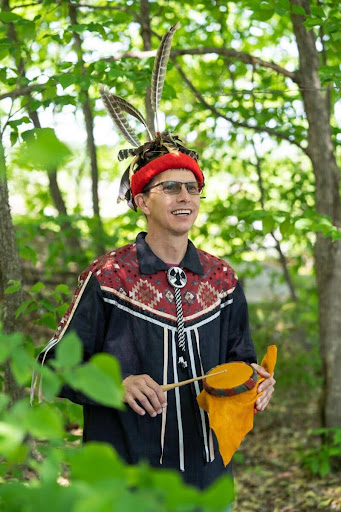
Learning about a culture becomes more meaningful when people share their knowledge directly. If you want to understand Indigenous traditions firsthand, we can start with listening, participating, and asking thoughtful questions. Indigenous cultural experiences in Muskoka create opportunities to explore history, language, values, and relationships through guided workshops. You may hear traditional stories, observe social dances, or take part in seasonal activities. Each experience encourages you to consider not only what a community teaches, but also how its knowledge continues to shape everyday life.
What Do Indigenous Cultural Experiences in Muskoka Teach?
One of the first lessons is that Indigenous cultures are not all the same. The Haudenosaunee have their own history, languages, and teachings. Learning from a knowledgeable facilitator helps participants recognize those distinctions rather than treating Indigenous traditions as a single set of customs.
The Haudenosaunee Worldview workshop introduces ideas about gratitude, responsibility, and respect. Participants explore how relationships with other people and the natural world influence decisions and community life. These lessons also invite reflection on everyday actions, including listening carefully and caring for shared spaces.
Storytelling and Language as Paths to Understanding
Stories do more than explain events from the past. They pass on life lessons, express community values, and help younger generations understand their responsibilities. During Indigenous cultural experiences in Muskoka, listening to a story can lead to questions about cooperation and kindness.
Language adds another important dimension. The Haudenosaunee Worldview session opens with the Ohén Karihwatéhkwen, commonly called the Thanksgiving Address. Participants hear it in Mohawk and then listen to a translation. This allows them to appreciate the meaning of the words as they hear an Indigenous language spoken. It also shows that translation can explain a teaching without replacing the value of its original expression.
Learning Gratitude Through the Natural World
Many traditional teachings encourage people to pay attention to the relationships that sustain them. Water, trees, animals, and seasonal changes are not simply parts of the landscape. They encourage gratitude and responsible use of resources.
The Maple Syrup Experience offers a practical illustration. During this early-spring workshop, participants learn how to collect sap and boil it over heated river rocks. Stories and songs explain the significance of maple syrup in Haudenosaunee life.
Taking part in a seasonal activity can change the way you think about familiar food. It reminds you that preparation requires knowledge, patience, and an understanding of the environment.
Songs, Dances, and Participation Strengthen Learning
Some cultural lessons are best understood through shared activities. Social dances, songs, and games can help participants experience how people connect, cooperate, and learn together.
In a guided workshop, you may first observe a demonstration and then receive an invitation to participate. Following the facilitator’s instructions is part of learning respectfully. It creates space to ask questions rather than making assumptions.
Participation also helps children and adults remember what they have learned. A song, movement, or conversation may encourage further reflection long after the workshop ends. The aim is understanding, not simply completing an activity.
Traditional Crafts Encourage Patience and Care
Craft workshops show how practical skills can carry cultural meaning. In the winter Making Traditional Water Drums program, participants spend two days creating and decorating a water drum and drumstick using materials such as wood, leather, and metal.
The process requires concentration, perseverance, and careful attention. Stories, songs, and time spent with others are also part of the workshop. As participants work, they see that learning involves more than producing an object. It includes respecting the process, listening to guidance, and understanding the knowledge associated with the craft.
Learning Together as Families, Students, and Groups
These workshops are designed for different audiences, including schools, businesses, families, clubs, and community organizations. Educators can connect activities with classroom learning, while workplace teams can reflect on respectful communication and cultural awareness.
An Indigenous private cultural experience may be especially useful for a family gathering or organized group that wants a shared learning opportunity. Workshop discussions and activities can be adapted to participants’ interests and goals.
Before attending, consider what your group hopes to understand. Arriving with questions and an open mind helps everyone engage thoughtfully.
Conclusion
Indigenous cultural experiences in Muskoka offer valuable lessons about language, storytelling, gratitude, and shared responsibility. They also show why learning directly from cultural educators matters.
Through its interactive workshops, A Journey Begins helps individuals and groups approach these teachings with curiosity and respect. Whether you are planning a school activity, family visit, or team session, meaningful learning begins with a willingness to listen. To discuss a suitable workshop and make arrangements, contact us today.
Frequently Asked Questions
1. Are cultural workshops suitable for children?
Yes. Sessions can be adapted for school students, homeschool groups, and families. Guided stories, discussions, and hands-on activities help younger participants engage respectfully with Indigenous teachings.
2. Do visitors need previous knowledge to participate?
No previous knowledge is required. Participants can learn by listening, observing, asking respectful questions, and joining suitable activities under the guidance of an experienced workshop facilitator.
3. Can organizations arrange a customized cultural session?
Yes. Schools, businesses, clubs, and community groups can discuss their learning goals before booking. Activities and discussions may be tailored to participants’ ages, interests, and needs.